

Blog
The First and Last Hour of Trading: Why Volatility Peaks
The open is where overnight orders collide and price finds its level. Plenty of pros wait for that to settle before committing. Here's what's happening and how to use it.
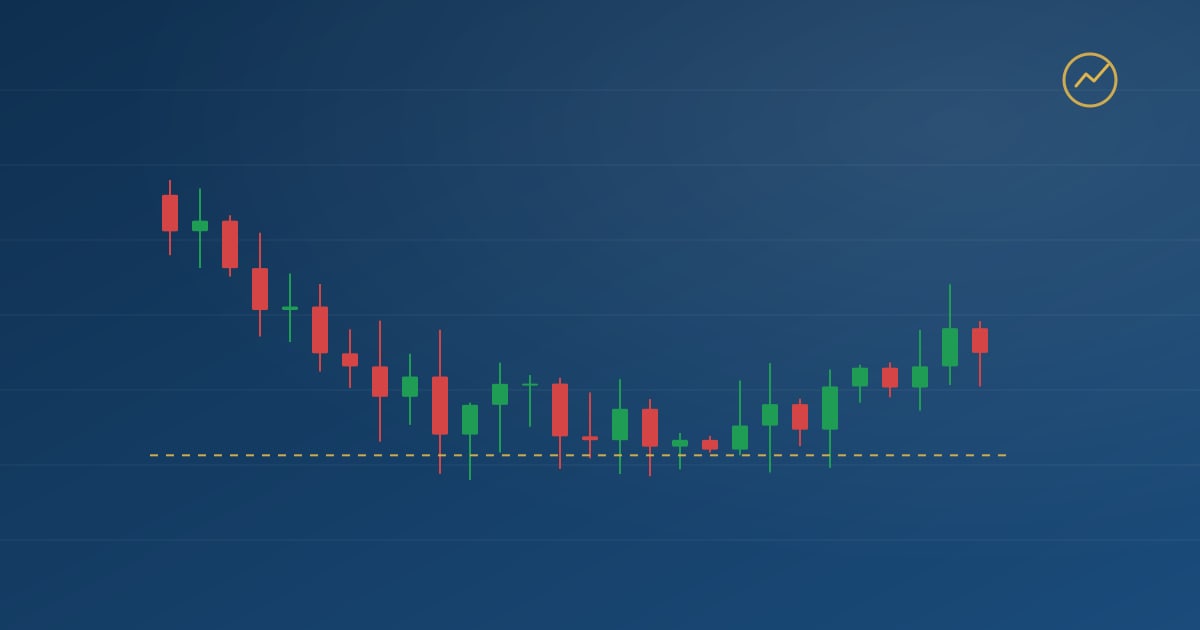
Plot the average size of each five-minute candle across a trading day and you get a shape traders have known about for decades. A tall spike at the open, a long quiet trough through the middle, a second rise into the close. The first and last hour are where the day’s movement piles up, and the first thirty minutes are the wildest of all.
Knowing why changes how you use them.
What the open is doing
Everything that happened while the market was shut arrives at once. Earnings, overnight news, moves in other markets, orders from people who couldn’t trade last night, and the positions of everyone who now wants out or wants in.
All of it has to find a price, and the first minutes are the negotiation. Spreads are wider, the book is thin relative to the flow, and price swings both ways while buyers and sellers work out where the other side is. A stock can print a high and a low in the first fifteen minutes that hold all day. It can also reverse the whole opening move by ten o’clock.
That’s price discovery. While it’s going on, yesterday’s levels are being tested by orders that have nothing to do with the chart.
The opening range is useful once it’s finished. While it’s forming, it’s noise with a wide spread attached. Plenty of pros wait for the first 15 to 30 minutes to complete and then trade the range it leaves behind, which turns the wildest part of the day into a level.
What the close is doing
The last hour is a different animal. Orders benchmarked to the closing price execute here, index funds rebalance, and day traders who have to be flat all exit into the same window. Volume rises and moves that started mid-afternoon often speed up. It’s more directional than the open and usually more liquid, which makes it more tradeable if you know your setup, and more dangerous if you’re still holding something you meant to close earlier.
Sort your trades by time of day
Take a year of intraday entries and bucket them by the clock. For a lot of people the worst bucket is the first quarter hour, and the notes tend to rhyme: a level from yesterday apparently breaking, an entry on the break, a reversal within minutes as the opening flow finishes and the real day begins.
The pattern in those trades is usually fine. It’s being traded in the one window when yesterday’s levels are least reliable, with a wider spread thrown in. Waiting for the opening range to form costs a few real early moves. It removes a lot more false ones.
Using the day’s shape
- Let the first 15 to 30 minutes form before taking intraday setups. Mark the high and low of that range. It’s often the most important level of the session.
- Treat a break of the opening range, on volume, as a setup in itself, with the far side of the range as the stop. The day trading strategies guide covers it.
- Expect the middle of the day to be slow. Trades taken out of boredom between eleven and two have a poor record for most people.
- Decide before the last hour whether you’re holding overnight. Don’t let the close decide for you.
- If you swing trade off the daily chart, none of this changes your entries, but it should change your fills. A limit order left in before the open on a volatile stock can fill at a price you’d never have chosen.
The day trading section covers intraday structure properly, including why most of the first hour’s volatility is a cost for a beginner and not an opportunity.